

Docks and distribution
Compactors for warehouses and distribution centers
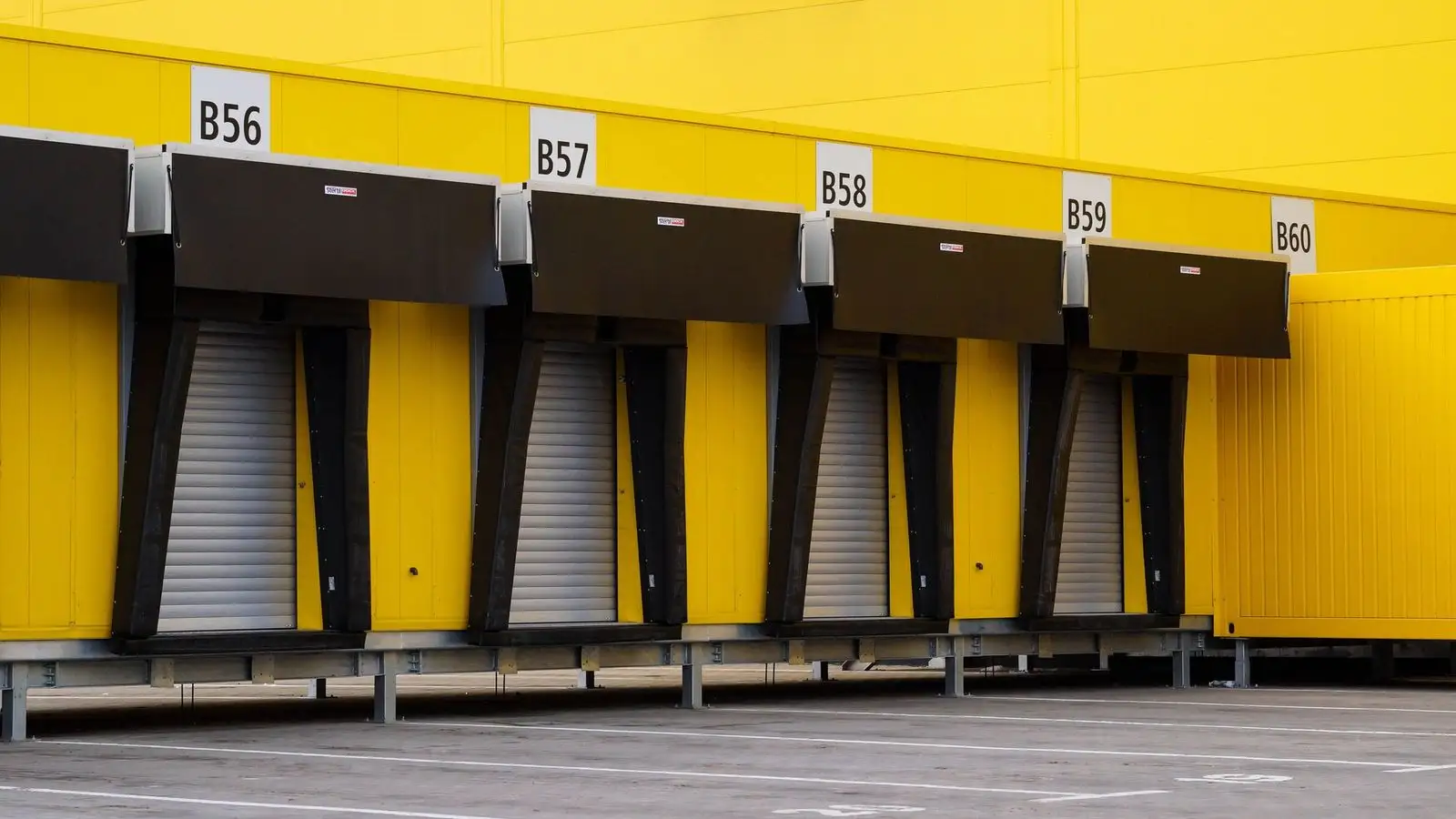
A warehouse dock gets into trouble when cardboard, dunnage and floor trash fill open containers before the next pickup and start blocking doors. Compactor rental here is a machine that can stay at the dock, a receiver the truck takes on a schedule, and a haul plan that follows your volume.
On the dock walk
1
Truck path
In and out, without sitting in a door or a fire lane.
2
Where waste is made
Cardboard at pack-out, and floor trash somewhere else.
3
Room to wait
How long you can hold waste if a haul moves a day.
4
The unlike weeks
The months that do not look like the rest of the year.
What piles up at a distribution dock
Inbound cartons, void fill, stretch wrap, broken pallets and mixed trash from the floor are not one stream. Cardboard is the bulky one, and it is the load most often hauled as air. Stretch wrap and floor trash do not belong in the cardboard if you want that cardboard recycled.
On the walk we split those streams before we talk about a machine. A building that only has dry packaging is a different quote from a building with a returns area, a break room and a pallet pile.
Why a busy dock usually wants the compactor to stay
With a stationary compactor, the machine stays at the dock and the truck takes the receiver. People can keep feeding it while the haul happens. A self-contained unit has to leave to be emptied, so the dock is without it unless a second unit is part of the plan.
A self-contained unit can still be the right answer for a smaller building, a wet stream, or a yard where you do not want a fixed machine. We decide that after we see the doors, the forklift path and the way the truck approaches. We do not decide it from the square footage alone.
Peak weeks are part of the schedule
Distribution volume is not flat. A rhythm that works in a quiet month can be short when outbound picks up. Tell us the heavy months and how many extra hauls you run now. You know that calendar. We will not invent one for your building.
The plan should have room to add a pull when those weeks hit. Bring a couple of weeks of pickup counts if you have them, even if they are approximate.
What we need to see
Where the truck can stand without blocking a door or a fire lane. Whether power is already at the pad. Who else uses the dock: another tenant, a trailer pool, a yard shift. If you have two buildings, say so. One walk can cover both when they are on the same site, and we will schedule a second walk when they are not.
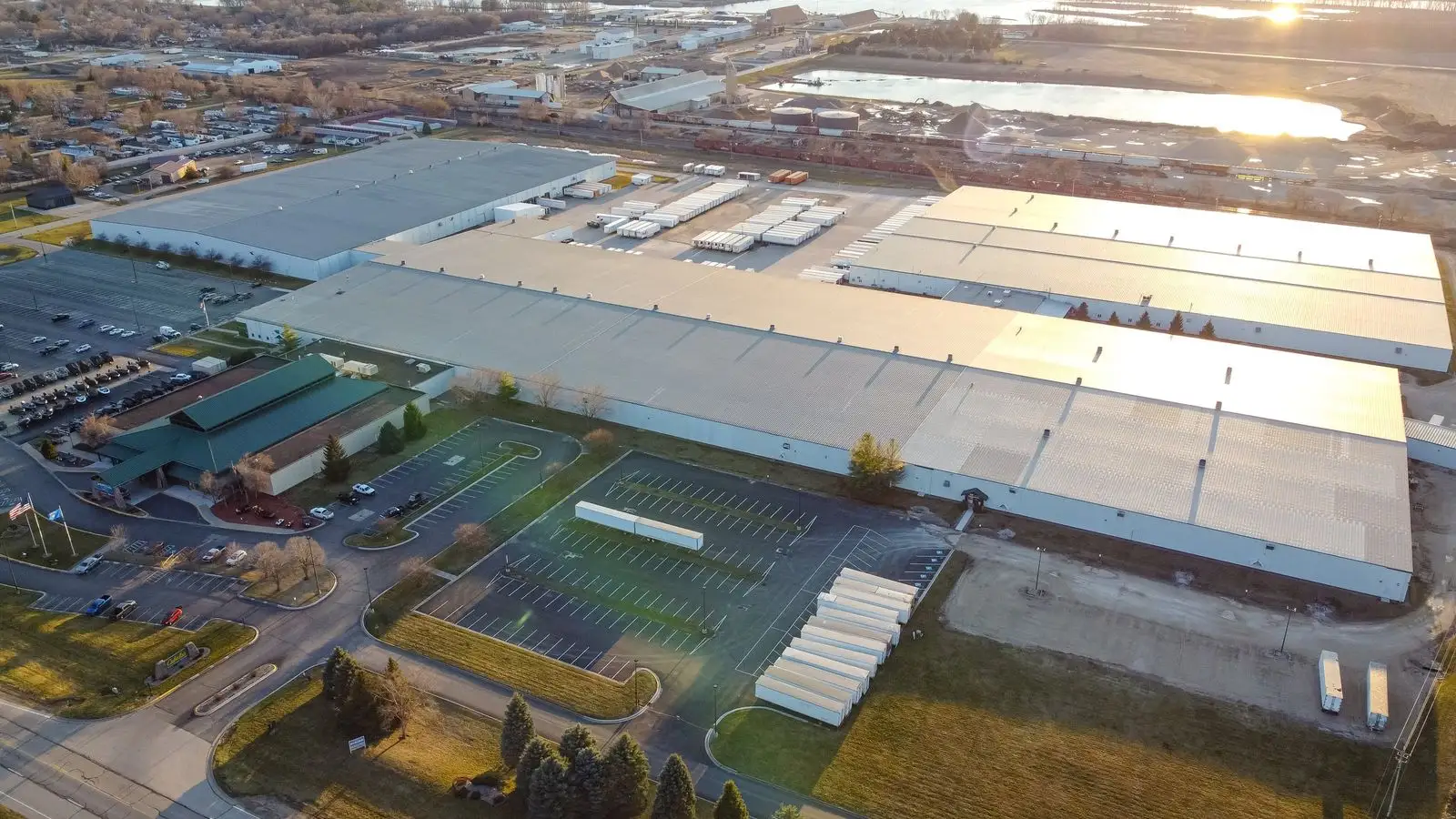
Our equipment
Sam's Roll Off rents these units. Equipment built by MAC Corp. Each card says what MAC designed that unit to do, and the specs MAC publishes.
Sam's rental
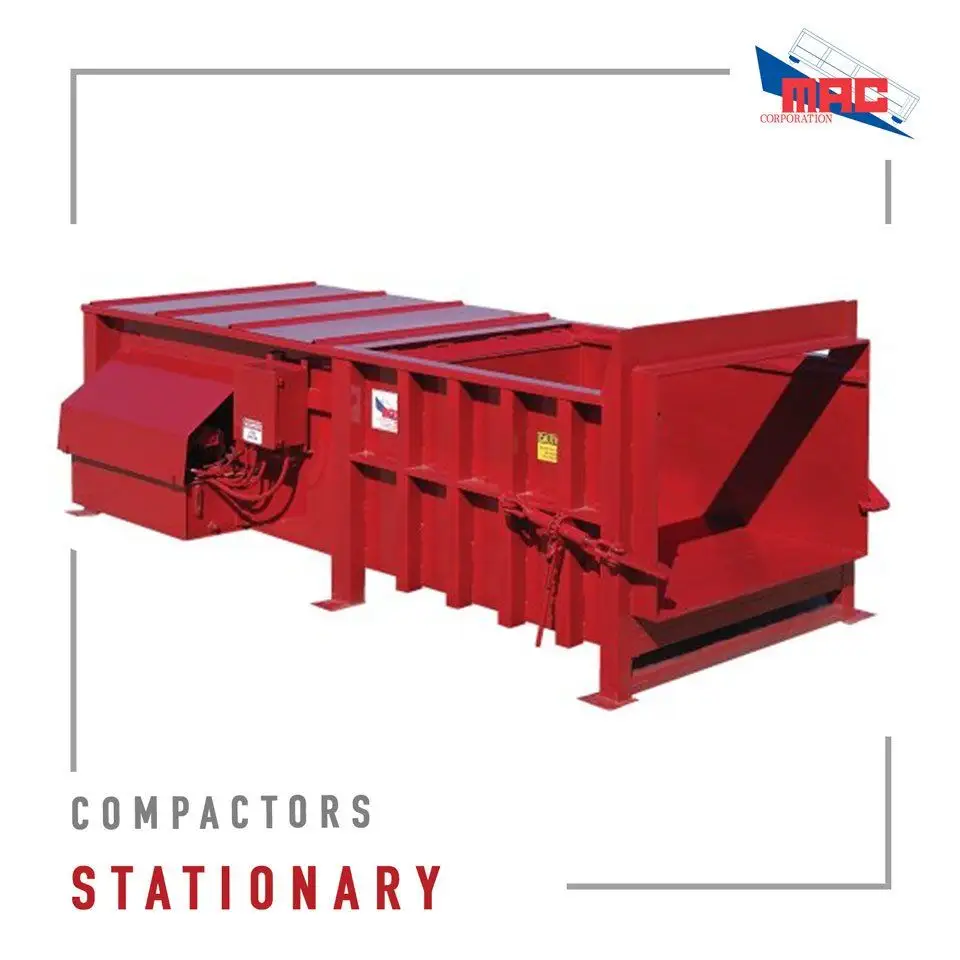
Stationary compactor
Sam's rents this to warehouses, distribution centers, and factories. It stays on the pad. The truck hauls the receiver.
MAC designs it for commercial and medium industrial sites. It can be set up with a hopper, a security chute, a drive-on deck, or a dock enclosure.
- Models MAC 200, 300, and 400.
- Manufacturer rating 2, 3, and 4 cubic yards. Industry rating 1.58, 2.55, and 3.17 cubic yards.
- Motors 10, 15, and 15 horsepower.
- Power unit ready for 208, 230, or 460 volt, 3 phase.
Sam's rental
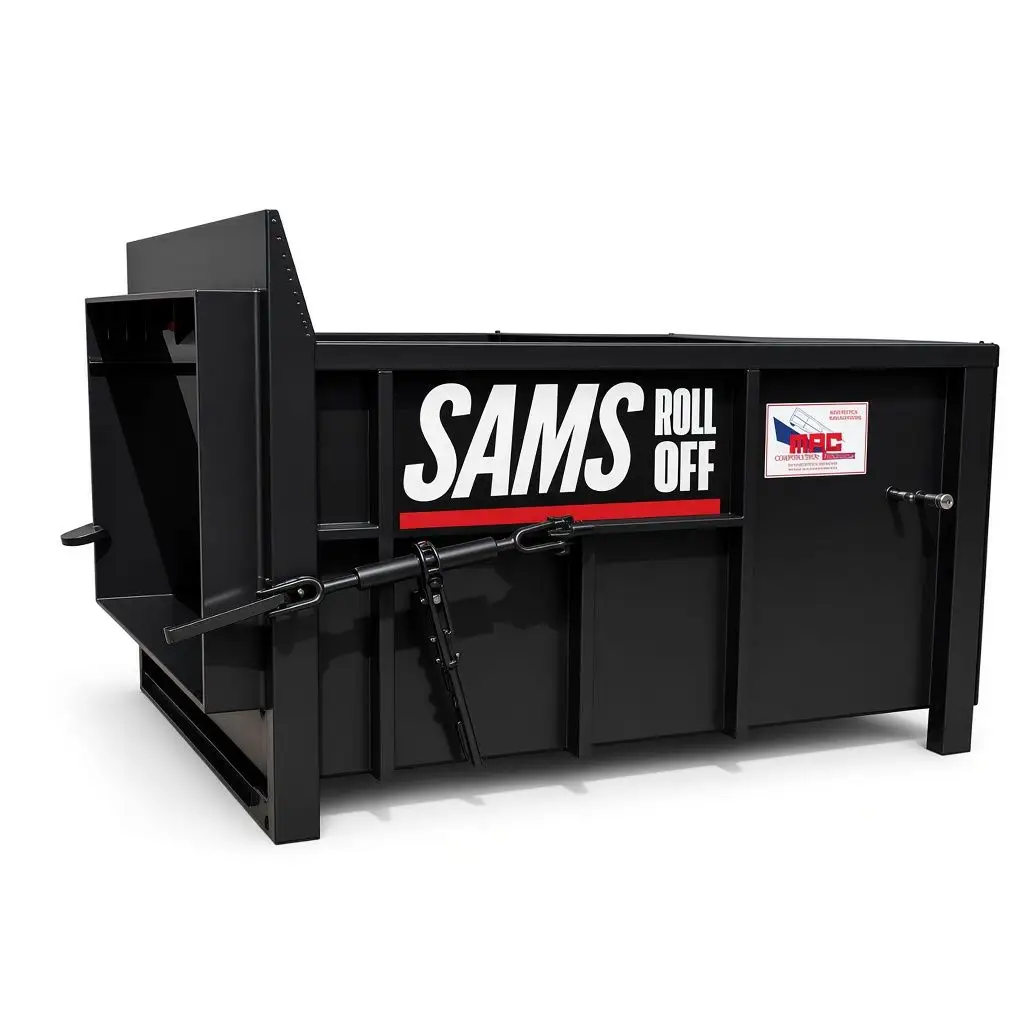
Mighty Mac stationary compactor
Sam's rents the Mighty Mac where a warehouse, distribution center, or plant needs a heavier stationary machine.
MAC builds the 220 and 250 as heavy-duty stationary compactors, with 3/8 inch plate side walls.
- Mighty Mac 220 and 250.
- Power unit ready for 208, 230, or 460 volt, 3 phase.
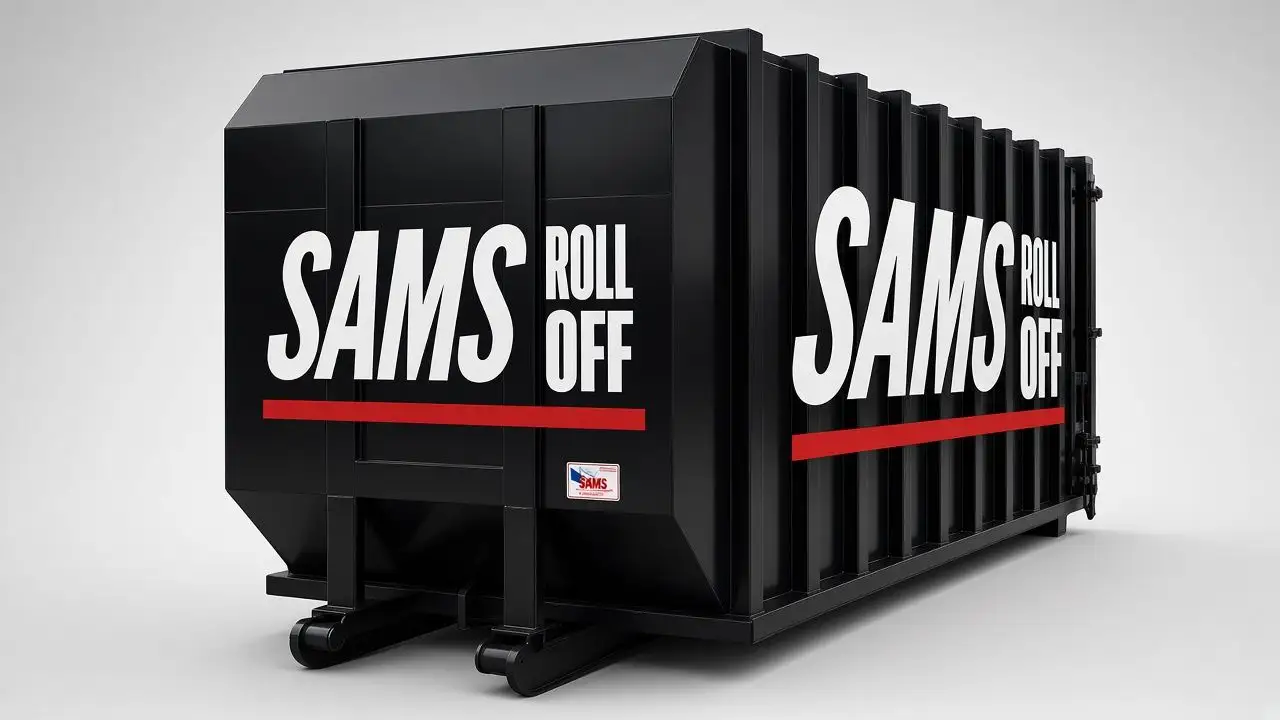
Sam's rental
Rectangular packer receiver
Sam's rents this with a stationary compactor for high-volume warehouses, distribution centers, and plants. The compactor stays. This is the box the truck pulls.
MAC builds the receiver to take the repeated pressure of a compactor, for high-volume refuse accounts.
- 28 to 50 cubic yards.
- MAC's chart shows a 40 yard at 21 ft 2 in long and 8 ft 6 in high, a 42 yard at 23 ft 2 in, and a 45 yard at 25 ft 2 in.
- 10 gauge panels. 3/16 inch floor. Extra heavy compactor grab plates.
Questions from warehouses
Can one walk cover two buildings?
What if we have a yard and no dock?
Will a compactor replace our open dumpster?
Can you haul a receiver we already own?
Also useful
- How compactor rental worksWalk, pad, power, hauls and service
- Commercial compactors in ToledoOhio side of the corridor
- Trash compactor rental in DetroitCity, Downriver and the metro
- Strip centers and shopping centers
- Factories and manufacturing plants
- Roll-off dumpstersProject debris and one-time cleanouts