
Skip to content
Sam's 3PLSam's Roll Off
Menu

Warehouses, shopping centers and plants

Trash compactor rental

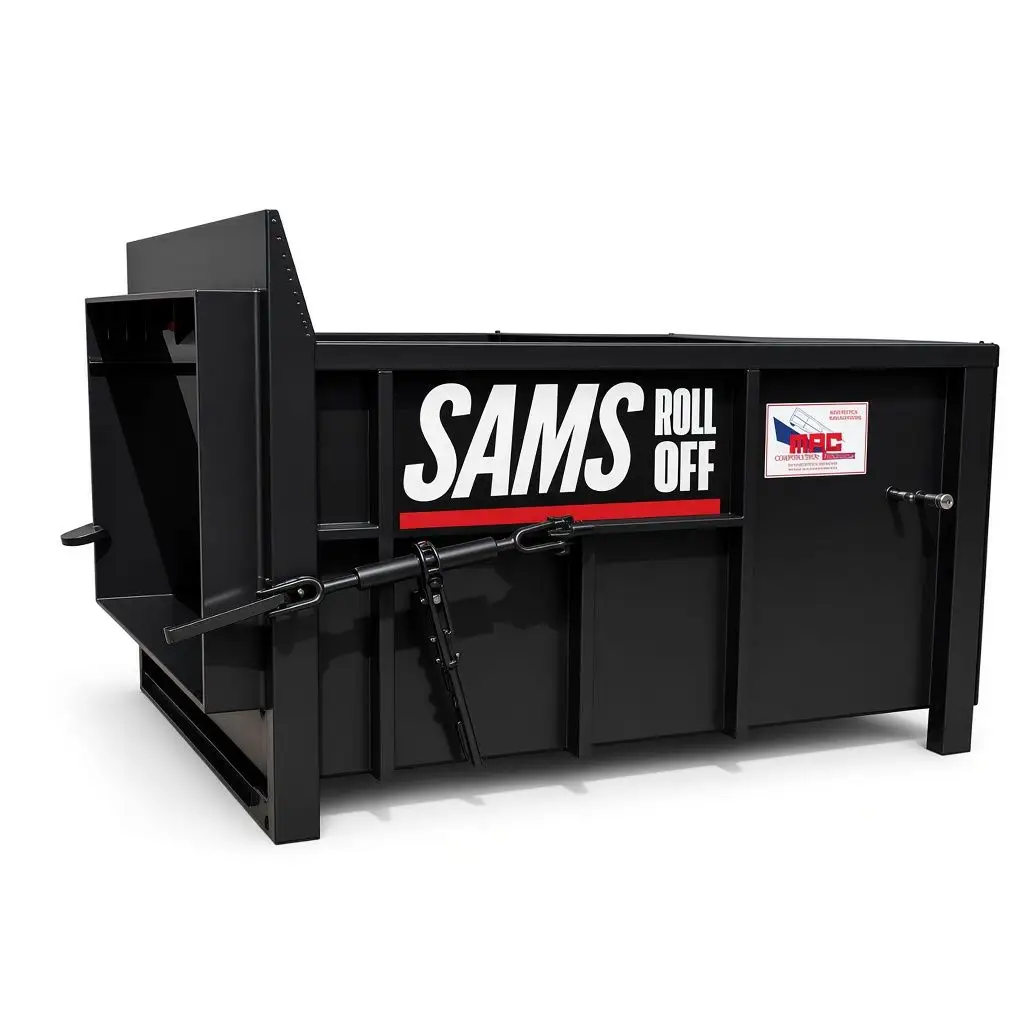
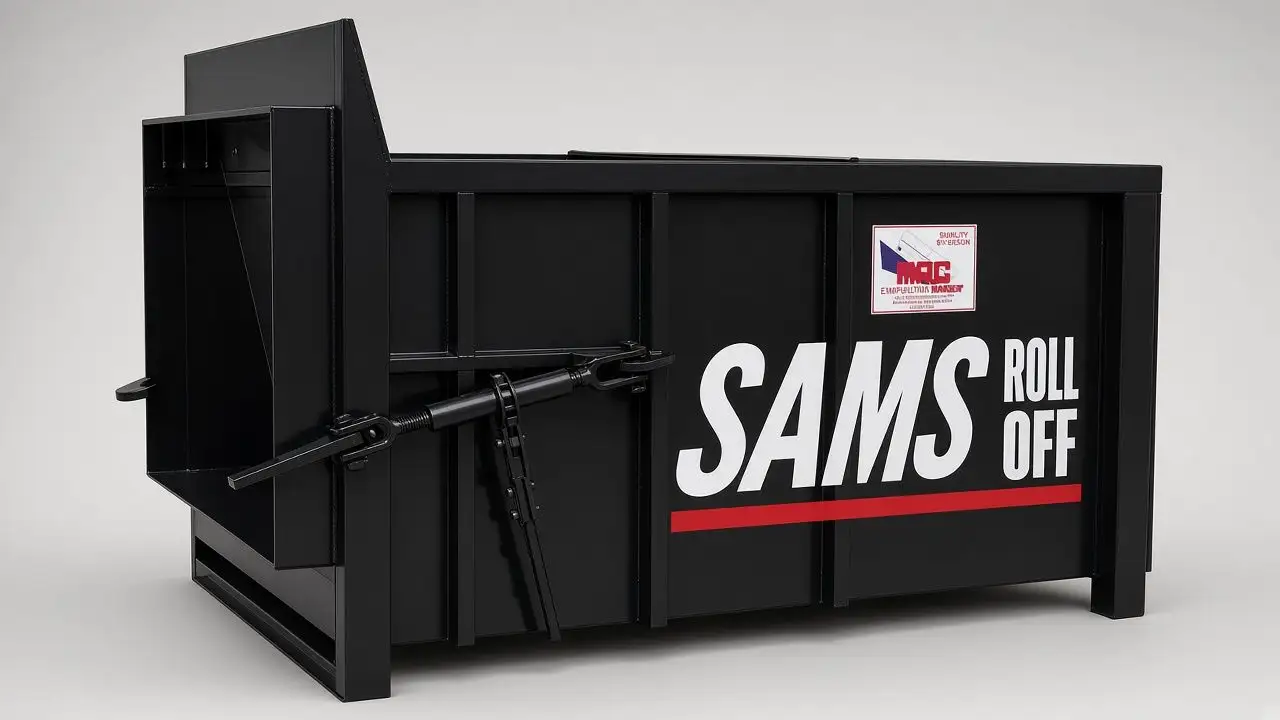
Black Mighty Mac 220 compactor with a large white Sam's Roll Off logo.

Sam's Roll Off rents trash compactors to larger facilities between Toledo and Detroit. We walk the site, match the setup to the waste and the dock, and haul on a schedule with a cable roll-off truck. If an open roll-off is the better fit, we will say so.

How compactor rental works

Six steps. The walk comes before any equipment is promised.

  1. Site walk

    We meet you at the facility and look at the dock or enclosure, the path the truck needs, and where the waste is actually made. A photo helps before the visit. The quote is based on the walk.

  2. Volume and pickup review

    We look at the material, how full the containers get, and how many times a week a truck comes now. That shows whether you are hauling material or hauling air, and whether a compactor would change the number of trips.

  3. Pad and power needs

    A compactor needs a place to sit and power at that place. We look at the slab or the ground you have, the room for the truck to pull on and off, and whether power is already there. Who builds the pad and who runs the power is settled before an install is scheduled.

  4. Install

    Once the site, the equipment and the pad plan are agreed, the unit is set in place. We confirm the truck can couple to it. If you already own the compactor, we check that it is built for a standard cable roll-off before we treat it as a live account.

  5. Scheduled hauls

    Hauls follow a rhythm set from your volume and your dock hours. A cable roll-off truck pulls the receiver, or the whole self-contained unit, the same style of truck we use for open-top containers. The box has to be built for a standard cable hook and rails.

  6. Service

    Service is the ongoing part: making the scheduled pull, looking the unit over while we are there, and resetting the plan when a tenant moves in or the volume changes. If something is wrong between hauls, call us and we will tell you what we can do and when.

Compactor types, in plain terms

These are the usual industry setups. Which one belongs at your site is a walk, not a catalog pick.

Self-contained

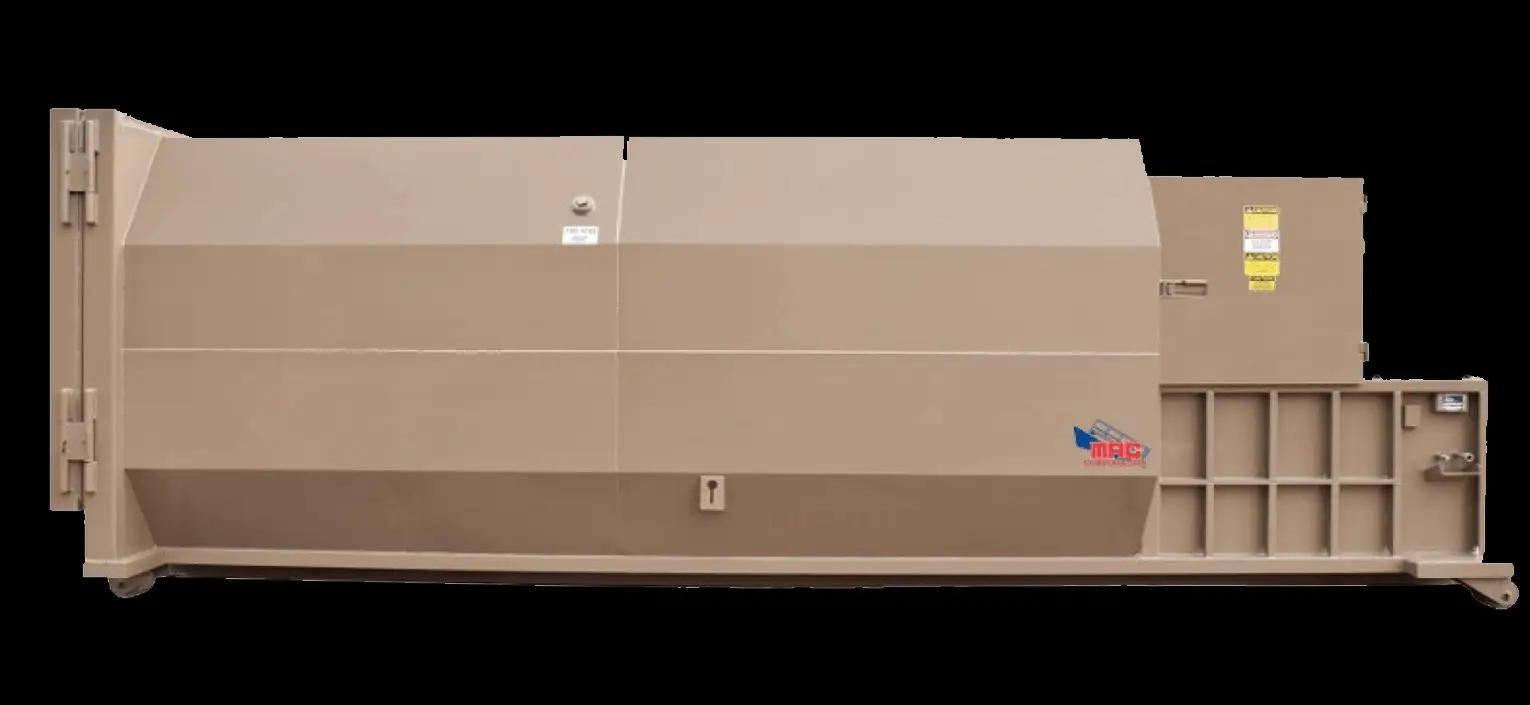
The compactor and the container are one unit. Liquid stays inside, which is why grocery stores, food service and other wet-waste sites often use this style. The truck hauls the unit away to empty it, so the site needs a plan for the time that unit is gone.
Stationary

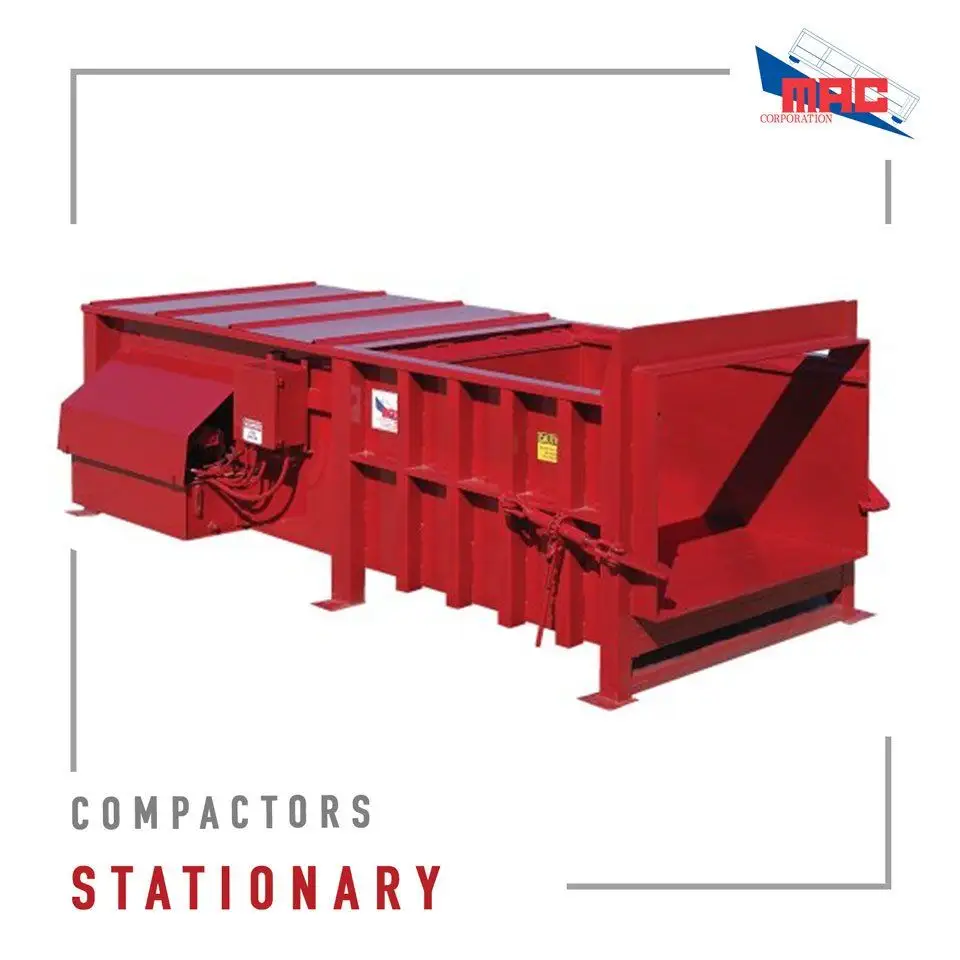
The compactor is fixed to a pad and packs into a separate receiver. The truck takes the receiver and leaves the compactor in place, so people can keep using the dock during a haul. Warehouses and plants with a permanent dock often end up here, once the pad and the power are real.

Vertical balers

A vertical baler is a different machine. It presses cardboard into a bale instead of packing waste into a container we haul. If old corrugated cardboard is most of what you generate, say so. We will tell you whether a baler or a compactor fits the way you store and ship that material.

Cardboard and wet waste

Cardboard, often called OCC, is bulky and mostly air, and it stays more recyclable when it is kept out of wet waste. Wet waste from food, restrooms or some plant processes needs a closed unit that holds liquid. Plenty of sites need a plan for each stream. The walk is where we separate them.

Our equipment

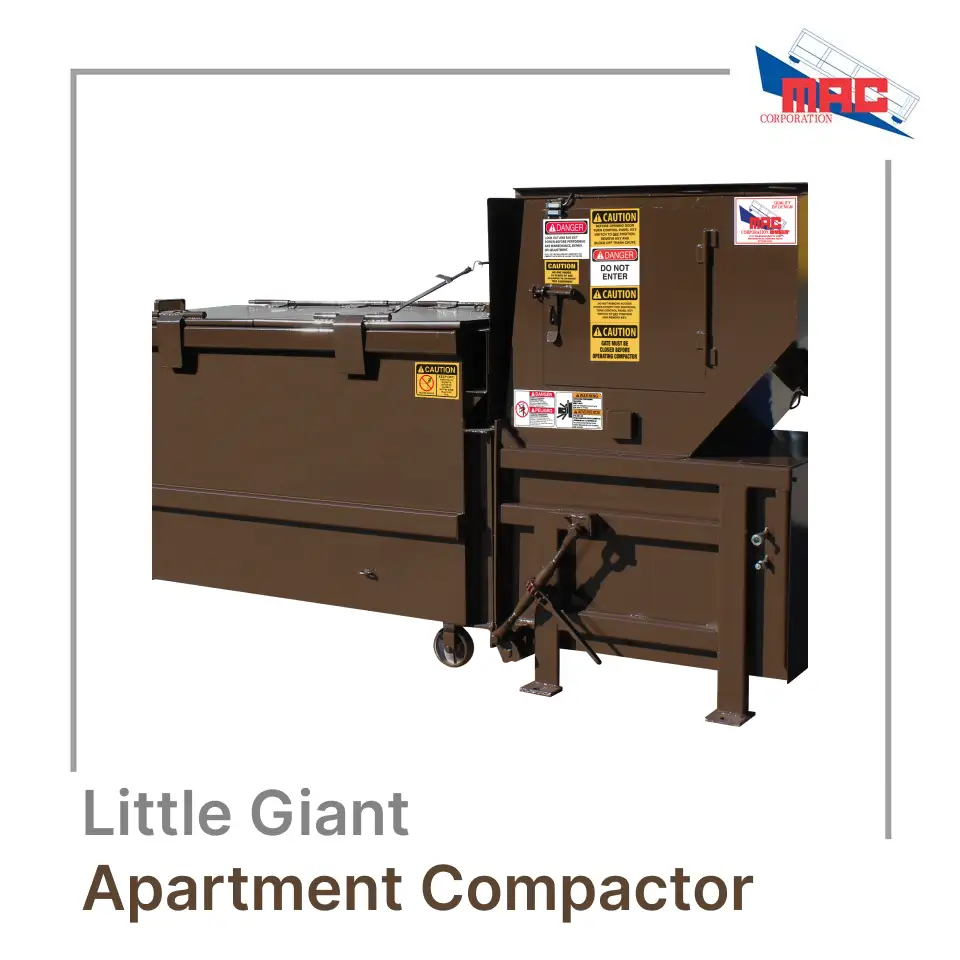
Sam's Roll Off rents these units. Equipment built by MAC Corp. Each card says what MAC designed that unit to do, and the specs MAC publishes.

Who it's for

Larger facilities with waste every week. A household, a small shop, or a site that fills one open container about once a week is usually better on a roll-off, and we will say so.

Where a compactor can cost less to run

It costs less to run when it cuts wasted hauls. It costs more when the volume was never there. We do not quote a savings number until we have seen the site. These are the reasons it pays off when it does.

Fewer hauls
More material fits before the container needs a truck. The pickup count drops when the volume was already filling open containers early.
Less air on the truck
Loose cardboard is mostly empty space. Compacting means the haul is waste, rather than air you paid to move.
A cleaner dock
Waste sits in the machine. It is off the floor, out of the trailer lane, and not piled beside a container that filled up before pickup day.
Cleaner material, less for pests
Cardboard kept apart from wet waste is easier to recycle. A closed unit gives insects and rodents less open food waste than a lid that will not shut. That depends on the door staying closed and the right material going in.

Toledo and Detroit

Common questions

How does compactor rental start?
With a site walk. Tell us about the facility and we will call to set a time. Use the site assessment form, or call.
What is the difference between a self-contained and a stationary compactor?
A self-contained unit is the compactor and the container together, and it holds liquid. A stationary compactor stays on the pad and packs into a receiver that the truck hauls. The right one depends on your waste, your space, and whether the dock can pause while a unit is emptied.
What if most of our waste is cardboard?
Say so on the request. Cardboard is bulky and mostly air, so it is a common reason to look at a compactor or a vertical baler. Those are different machines. We will tell you which one fits after we know how you store and ship it.
Can you haul a compactor we already own?
Tell us the container type and how it connects. If it is built for a standard cable roll-off, we can haul it on a schedule. If it is not, we will say so before you plan around us.
What do you need for the pad and the power?
A level place that can carry the machine and the truck, and power at that spot. Bring what you know about the panel to the walk. Who pours the pad and who runs the wire is part of the plan.
Will a compactor cut our hauling cost?
It can, when you are hauling often or hauling loads that are mostly air. A site with one light pickup a week is usually better on an open roll-off. We will say so if the compactor does not pencil out. We do not quote a savings figure before the walk.
What should stay out of a compactor?
Hazardous waste, paint, oil, tires, batteries and asbestos do not belong in one. Some industrial scrap is not compactable or is not allowed. Tell us the material first. The same limits are on our dumpster FAQ.
Do you cover Toledo and Detroit?
Yes. See commercial compactor rental in Toledo and trash compactor rental in Detroit. If a site is outside the area we can serve, we will say so when you call.
How are hauls scheduled?
From your volume and your dock hours, after the walk. The rhythm can change when the building gets busier or a tenant turns over.

Contractor and business questions

Want us to walk the site?

CallRequest a site walk