

Manufacturing
Compactors for factories and manufacturing plants
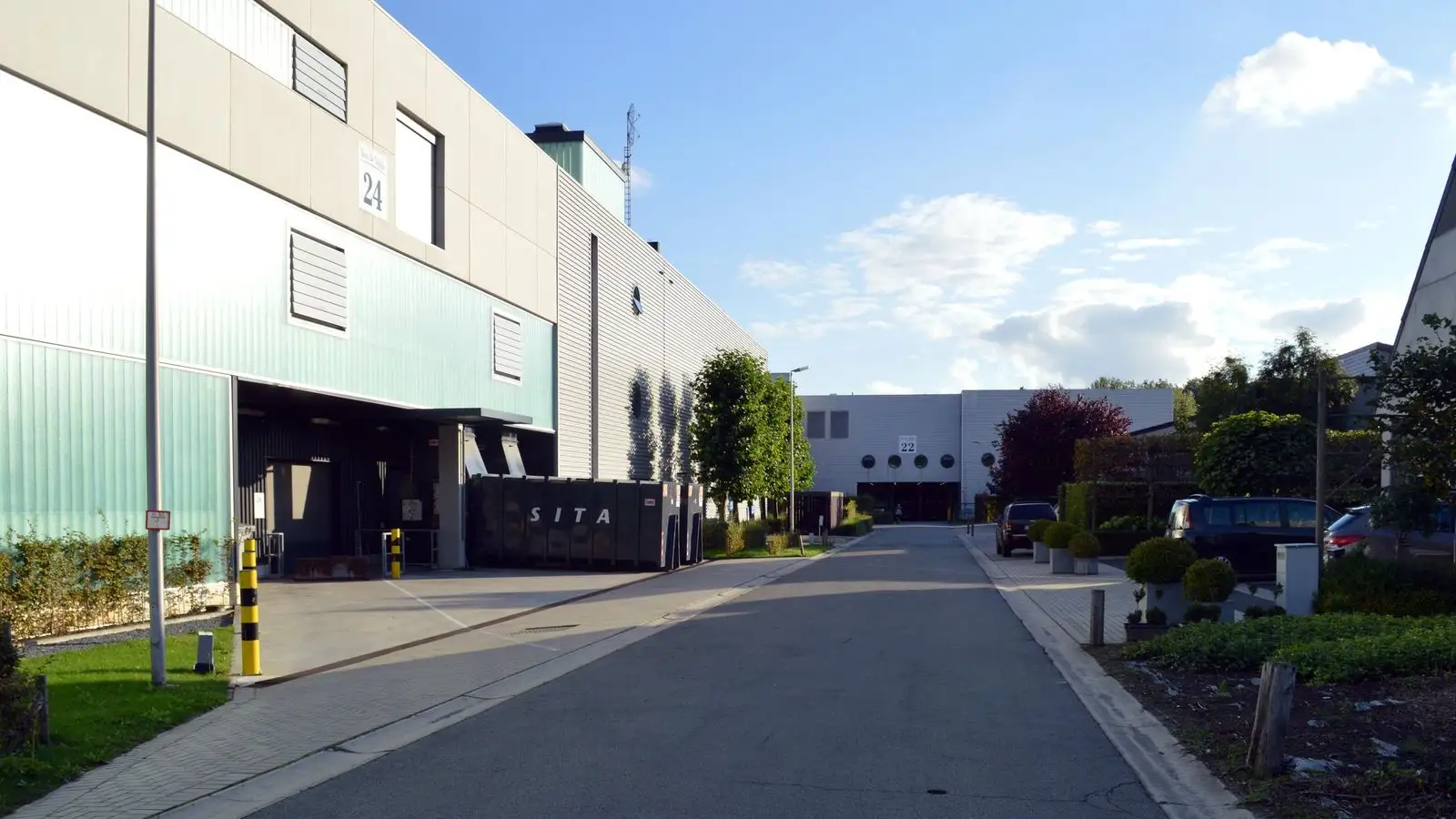
A plant produces more than one kind of waste, and they should not all go in the same machine. Packaging from inbound parts, scrap from the process, and trash from the people on the floor are different problems. A compactor is for the stream that is bulky, produced every week, and allowed in the machine.
Keep the streams apart
- Packaging
- Cartons, dunnage and wrap from inbound parts. This is the usual compactor or baler candidate.
- Process scrap
- Offcuts, reject parts, sludge, powder. Some of it has its own recycling path. Some of it is not allowed in a compactor. Name it before it goes in.
- People
- Break rooms and restrooms. Smaller, sometimes wet, and often better in their own container so they do not ruin the cardboard.
Put the machine where the waste already walks
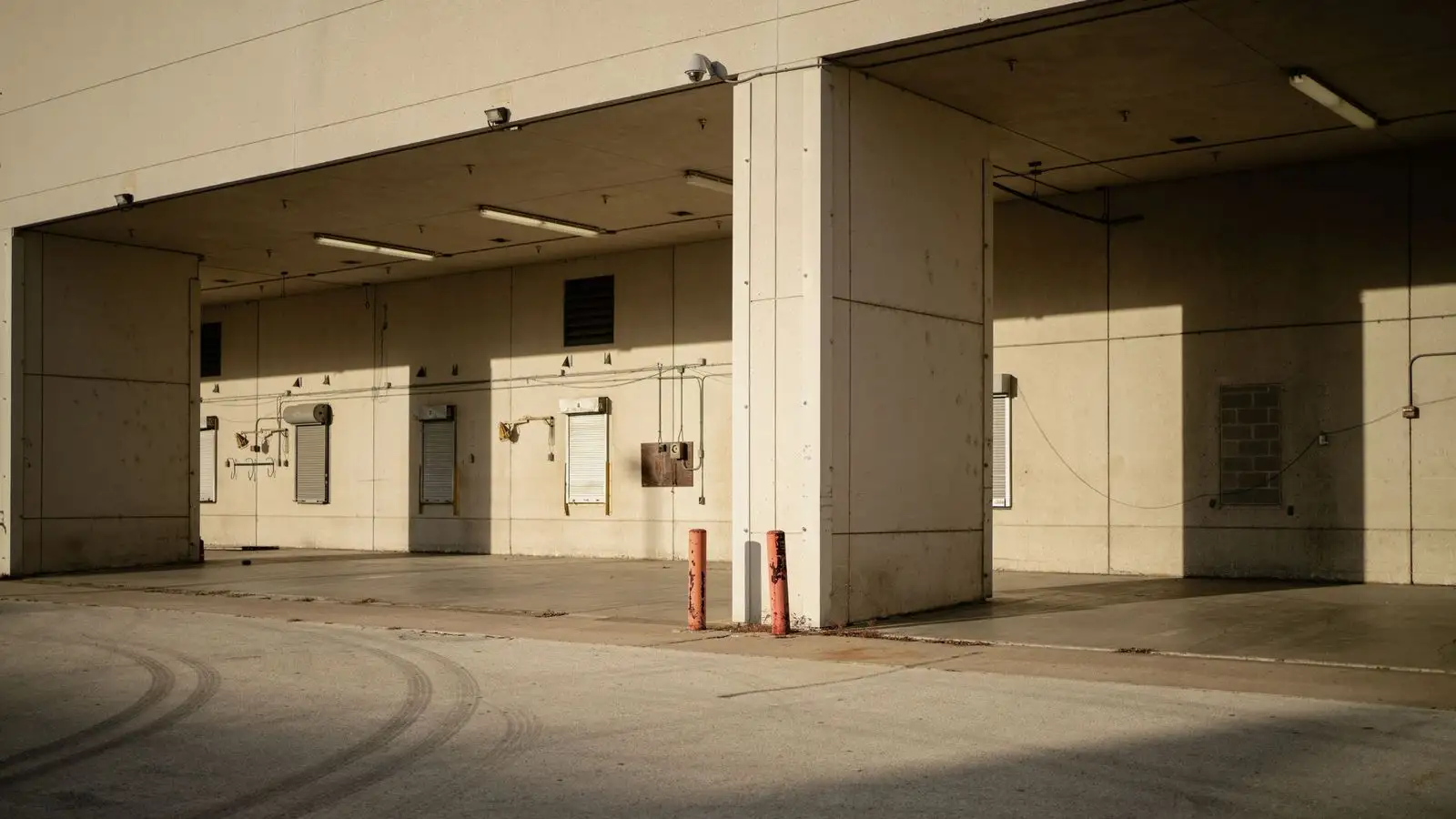
A spot by the road that adds a long forklift run will not get used, and the waste will pile up at the cell anyway. On the walk we follow the material from the line to the door. We look at the forklift path, overhead cranes, low pipes and the room the truck needs to pull on and off.
The compactor should sit where someone can feed it without crossing the path that keeps the line supplied. Tell us the shift pattern and any time a truck should stay out: shift change at the gate, a customer visit, or the hours your scale is open.
Heavy loads and seasonal roads
A compacted load weighs more than a loose load of the same size. In late winter and spring, Michigan seasonal weight limits can reduce what a truck may carry on some roads. Ohio routes have their own limits. Tell us the site and the season you care about, and we will plan the haul around the legal load.
We will not promise a weight. The walk and the route decide it.
A line move is not a compactor job
Pit demo, a line relocation or a roof on the plant is debris. That is a roll-off, scheduled around your outage. Crushing construction debris into the plant compactor is how you fill it with the wrong material and shut it down. Ask for a dumpster when the work is a project, and keep the compactor for the weekly stream.
Our equipment
Sam's Roll Off rents these units. Equipment built by MAC Corp. Each card says what MAC designed that unit to do, and the specs MAC publishes.
Sam's rental
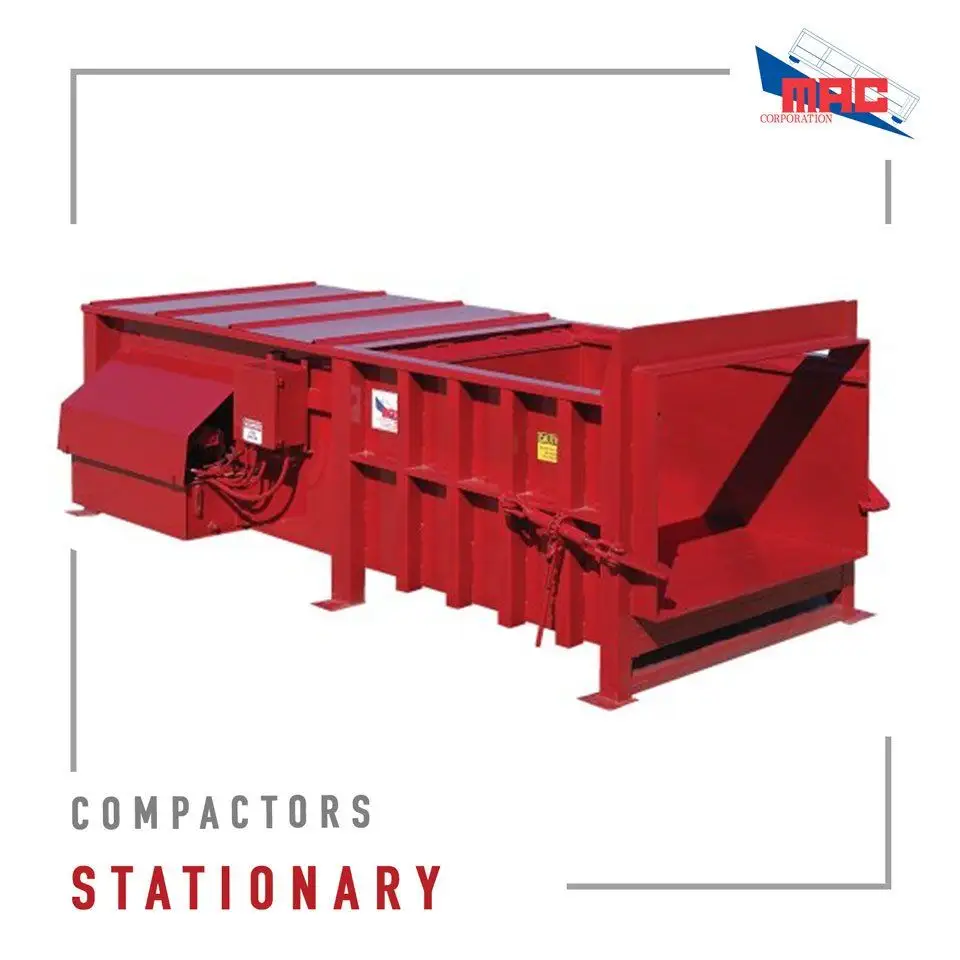
Stationary compactor
Sam's rents this to warehouses, distribution centers, and factories. It stays on the pad. The truck hauls the receiver.
MAC designs it for commercial and medium industrial sites. It can be set up with a hopper, a security chute, a drive-on deck, or a dock enclosure.
- Models MAC 200, 300, and 400.
- Manufacturer rating 2, 3, and 4 cubic yards. Industry rating 1.58, 2.55, and 3.17 cubic yards.
- Motors 10, 15, and 15 horsepower.
- Power unit ready for 208, 230, or 460 volt, 3 phase.
Sam's rental
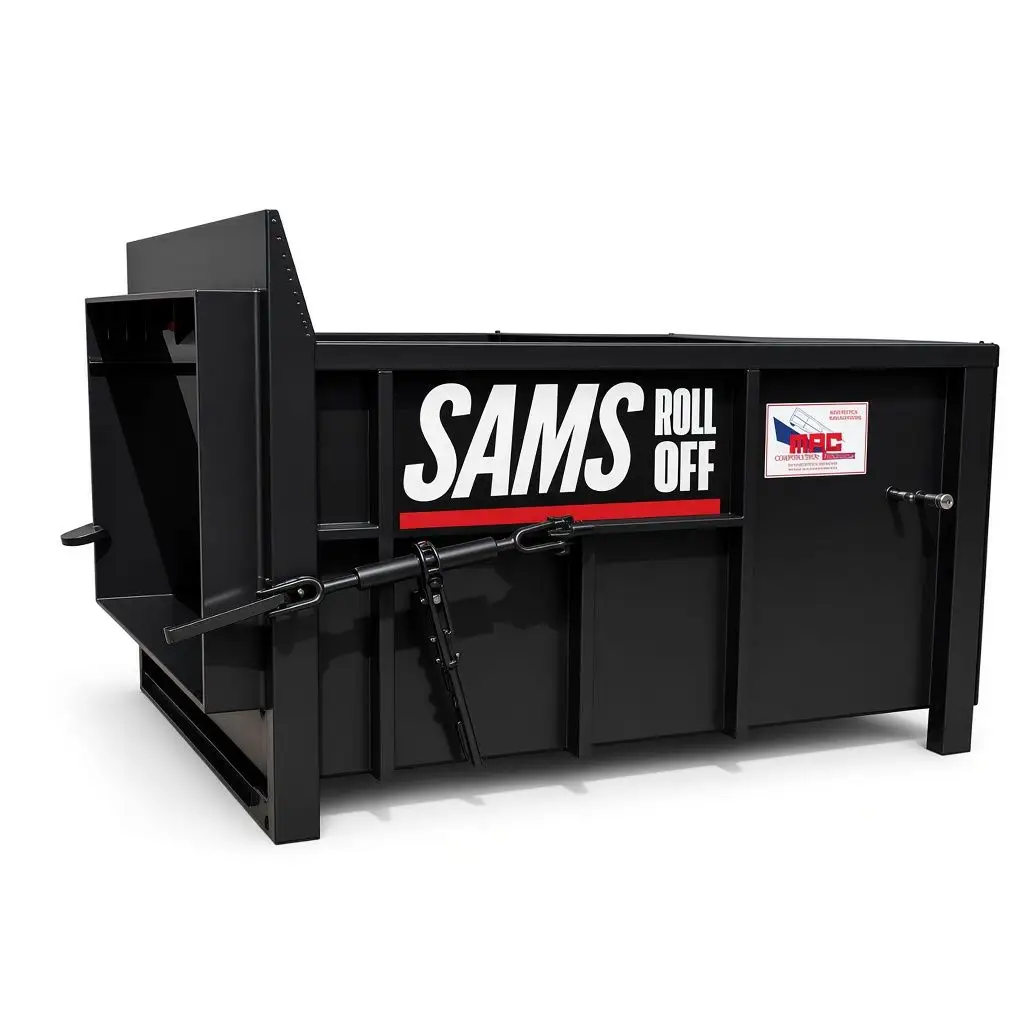
Mighty Mac stationary compactor
Sam's rents the Mighty Mac where a warehouse, distribution center, or plant needs a heavier stationary machine.
MAC builds the 220 and 250 as heavy-duty stationary compactors, with 3/8 inch plate side walls.
- Mighty Mac 220 and 250.
- Power unit ready for 208, 230, or 460 volt, 3 phase.
Sam's rental
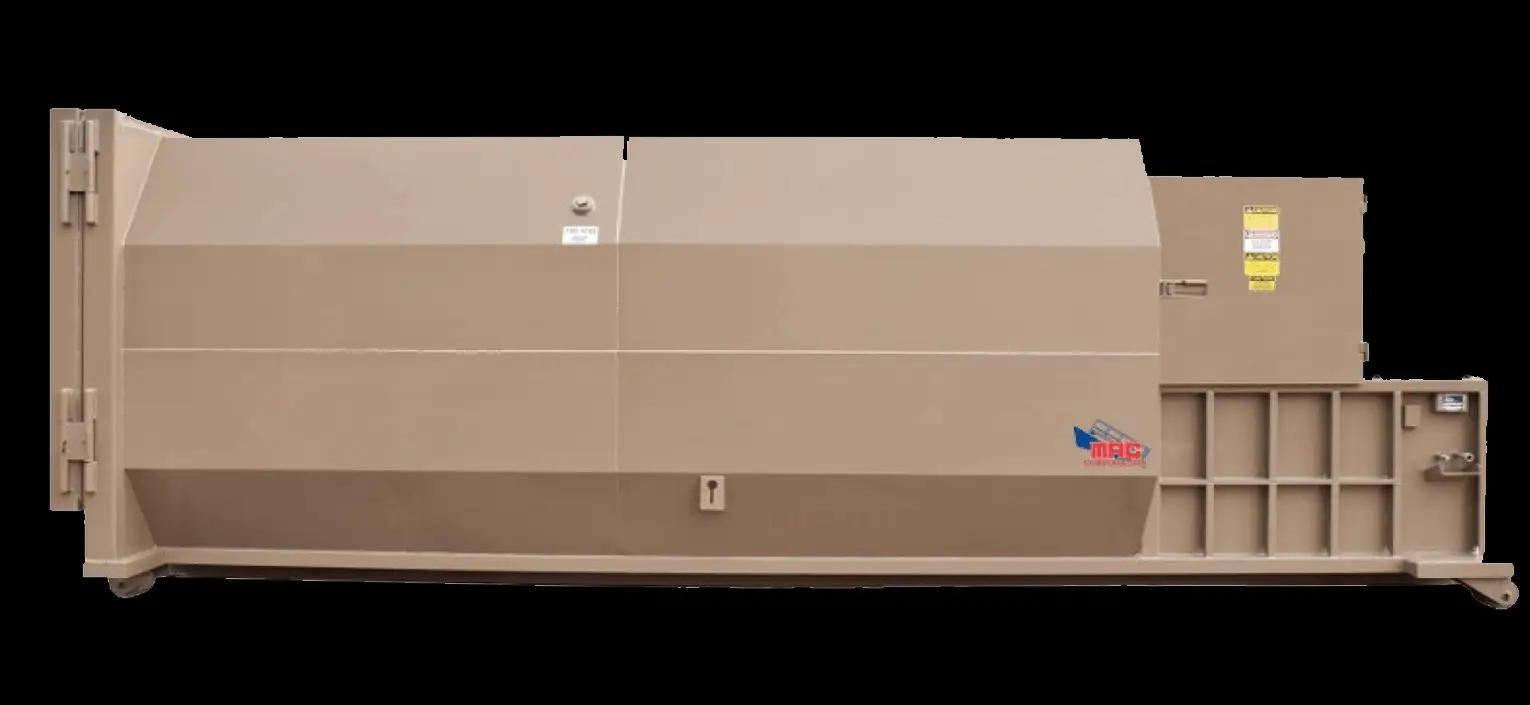
Self-contained compactor
Sam's rents this to strip centers and shopping centers with grocery or restaurant waste, and to food plants.
MAC designs it for wet solid waste. The leak-proof body is aimed at shopping malls, hotels, restaurants, supermarkets, food processing plants, and medical facilities. With an enclosed loading hopper, MAC uses it to limit insects and rodents.
- Power unit ready for 208, 230, or 460 volt, 3 phase.
- Body 3/16 inch. Floor 1/4 inch.
- Full rear door seal. The truck can pick it up from either end.
Questions from factories
Can you take industrial scrap in a compactor?
Our process waste is wet. Is that cafeteria waste?
Do seasonal road limits affect a compacted haul?
We already own the compactor on the plant floor.
Also useful
- How compactor rental worksWalk, pad, power, hauls and service
- Commercial compactors in ToledoOhio side of the corridor
- Trash compactor rental in DetroitCity, Downriver and the metro
- Warehouses and distribution centers
- Strip centers and shopping centers
- Roll-off dumpstersProject debris and one-time cleanouts